







Creating an efficient and comfortable home workspace is essential for productivity and well-being, especially as many people continue to work or study from home. A well-organized workspace helps reduce distractions, keeps essential items within reach, and fosters a positive mindset for getting tasks done. In this post, we’ll explore simple, practical tips that you can easily implement to transform your home workspace into a neat and inviting environment.
Why Organizing Your Workspace Matters
A cluttered or poorly arranged workspace can lead to stress, decreased focus, and wasted time searching for supplies. Conversely, an organized space enhances clarity, allowing you to work more efficiently and comfortably. By setting up your workspace thoughtfully, you create a foundation for better concentration and greater productivity.
Assess Your Current Workspace
Before making any changes, take a moment to evaluate your existing setup:
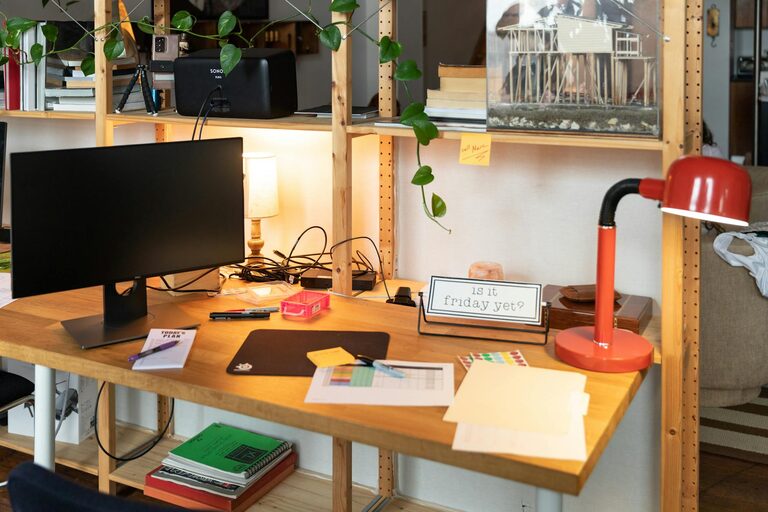
– Is your desk cluttered with items you rarely use?
– Do you have proper lighting to avoid eye strain?
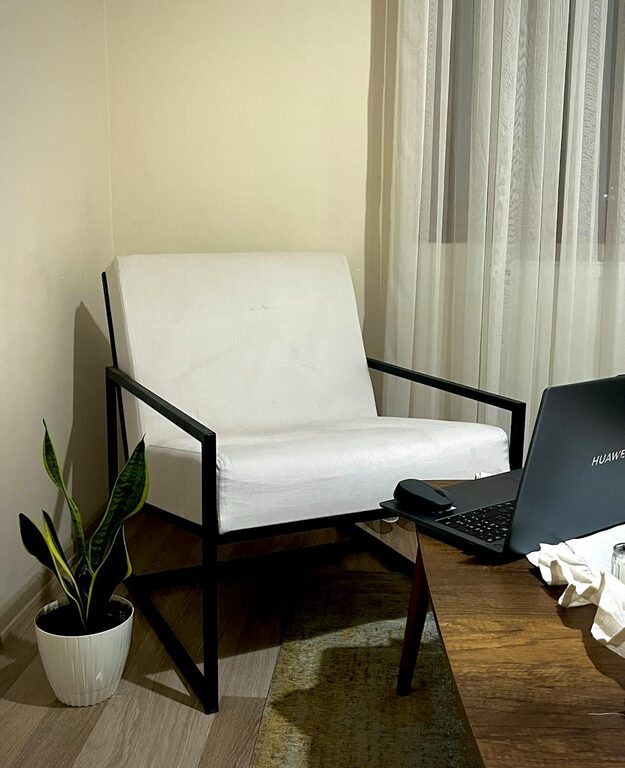
– Is your chair supportive and comfortable for long hours?
– Are your frequently used tools easy to reach?
Understanding what works and what doesn’t will help you prioritize the most impactful improvements.
Declutter Regularly
One of the simplest ways to organize your workspace is by decluttering:
– Keep only essentials on your desk. Store extra supplies in drawers or shelves.
– Sort through papers daily or weekly. Recycle what you don’t need and file important documents.
– Remove anything unrelated to work. Personal items and distractions can wait outside the work area.
Regular decluttering keeps the space tidy and helps you focus on your tasks.
Optimize Desk Layout for Efficiency
Where you place items on your desk affects how easily you can work. Here are some tips:
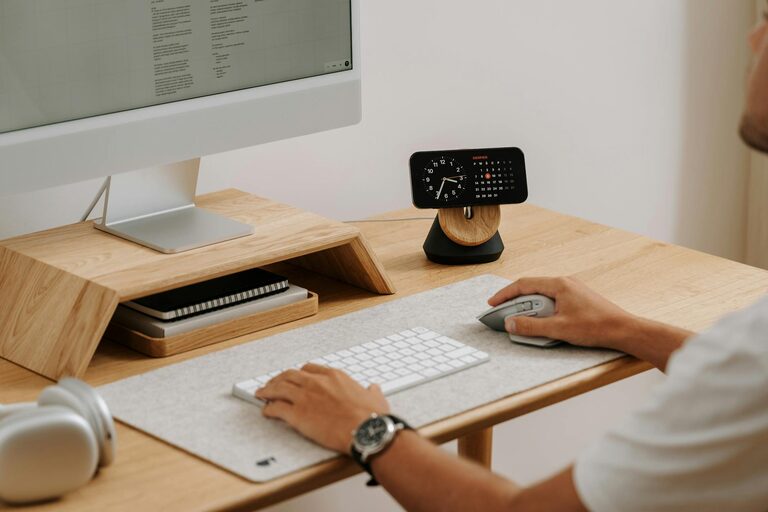
– Position your computer or laptop directly in front of you. This prevents neck strain.
– Keep frequently used items within arm’s reach, such as pens, notebooks, or your phone.
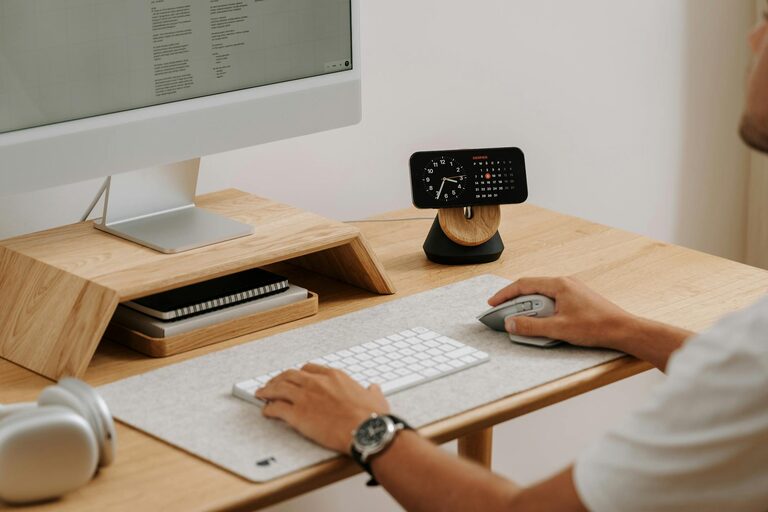
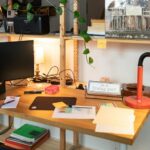
– Use desk organizers or trays to keep small items neat and visible.
– Leave some open space on your desk for writing or sorting papers.
A clean, well-planned layout reduces unnecessary movement and helps maintain workflow.
Invest in Comfortable Seating and Ergonomics
Comfort is key to staying productive during long work sessions:
– Use a chair that supports your back and encourages good posture.
– Adjust your chair height so your feet rest flat on the floor.
– Position your screen at eye level to avoid neck and eye strain.
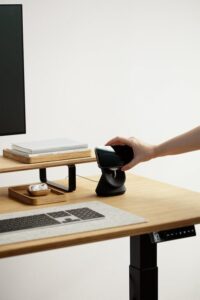
– Consider a footrest, wrist pad, or a sit-stand desk if possible.
Proper ergonomics protect your body from discomfort and fatigue.
Improve Lighting
Good lighting can make a huge difference:
– Maximize natural light by placing your workspace near a window.
– Use a desk lamp with adjustable brightness for focused tasks.
– Avoid harsh overhead lighting that creates glare on screens.
Proper lighting supports alertness and reduces eye strain.
Use Smart Storage Solutions
Efficient storage keeps supplies organized and accessible:
– Shelves and wall organizers free up desk space.
– Drawer dividers separate items for quicker retrieval.
– Label boxes or bins to find things easily.
– Consider digital storage for documents to reduce paper clutter.
Smart storage maximizes your workspace and reduces mess.
Personalize Your Workspace Thoughtfully
Adding personal touches can boost mood and motivation, but keep them balanced:
– Place a small plant or artwork nearby.
– Use calming colors or aesthetically pleasing organizers.
– Avoid overcrowding with decor so your area remains functional.
A welcoming space encourages you to spend time there happily.
Establish a Routine to Maintain Organization
Organization is an ongoing process:
– Spend a few minutes at the end of each day tidying your desk.
– Review your workspace layout quarterly to adjust as needed.
– Encourage family members to respect your workspace boundaries.
Consistent maintenance keeps your environment ready for productive work.
Conclusion
Organizing your home workspace doesn’t require a complete overhaul. By decluttering, optimizing layout, enhancing comfort, and maintaining smart storage habits, you can create a space that supports your productivity and comfort. These simple tips will help you build an effective work environment tailored to your needs, making each workday more enjoyable and efficient. Take small steps today and notice the difference an organized workspace can make!