







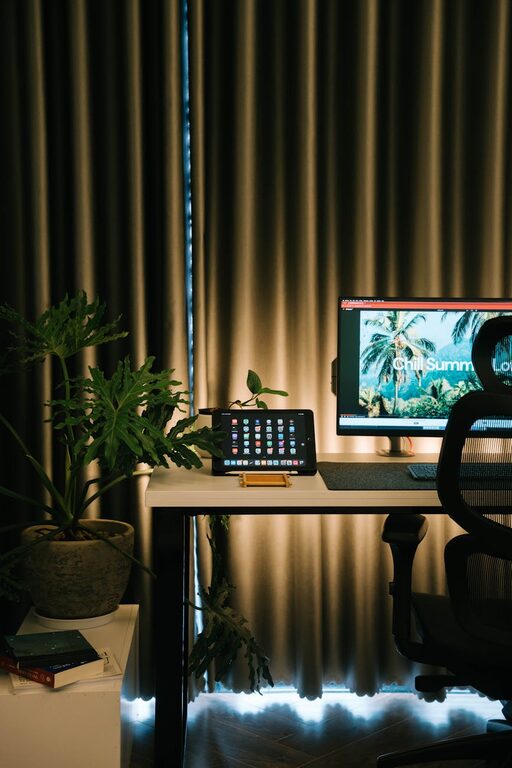
Creating a cozy and productive home office space can significantly improve your work-from-home experience. Whether you work remotely full-time or occasionally need a dedicated spot to focus, designing a workspace that feels comfortable and encourages efficiency is essential. Here are some helpful tips to guide you through creating your perfect home office.
Choose the Right Location
Selecting the best spot in your home for your office is the first step.
– Natural light: Aim for a space near a window to benefit from natural daylight. It boosts mood and reduces eye strain.
– Quiet environment: Find a spot with minimal distractions, away from high-traffic areas or noisy appliances.
– Space availability: Make sure you have enough room for your desk, chair, and storage without feeling cramped.
If you cannot dedicate a whole room, consider designating a corner in the living room or bedroom. Create boundaries with rugs, shelves, or room dividers.
Invest in Comfortable Furniture
Comfort plays a crucial role in maintaining productivity and avoiding physical strain.
Ergonomic Chair and Desk
– A chair with adjustable height and good lumbar support helps maintain good posture.
– Your desk should allow you to keep your wrists straight and your forearms parallel to the floor while typing.
– Standing desks or adjustable sit-stand setups are also an option for those who want to vary their posture.
Additional Seating
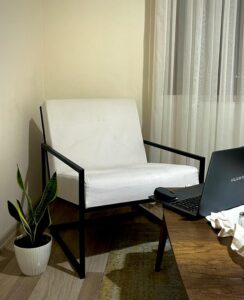
Include a small cozy armchair or cushion if space allows. It’s a nice option for reading or brainstorming away from the desk.
Organize to Reduce Clutter
A tidy workspace helps clear your mind and improve focus.
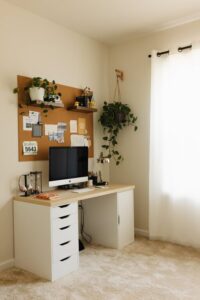
– Use storage solutions like shelves, file organizers, and desk drawers to keep papers and supplies off the desktop.
– Consider labeling storage containers for easy access to materials.
– Practice a daily or weekly routine to declutter and reorganize your space.
Personalize Your Space
Adding personal touches makes your office inviting and motivating.
– Choose decor that inspires you, such as artwork, plants, or photographs.
– Use soft textiles like cushions, throws, or rugs to add warmth.
– Select calming or energizing colors based on your preferences—such as blues for calm or yellows for creativity.
Optimize Lighting
Proper lighting reduces eye fatigue and creates an inviting atmosphere.
– Combine natural light with adjustable artificial lighting.
– Use desk lamps with adjustable brightness and color temperature for task lighting.
– Avoid harsh overhead lighting or glare on screens.
Minimize Distractions
Creating boundaries between work and relaxation helps maintain productivity.
– Inform family members or roommates of your work hours and space boundaries.
– Use noise-cancelling headphones or white noise machines if background noise is unavoidable.
– Keep your phone on silent or in another room during focused work periods.
Incorporate Technology Thoughtfully
Equip your office with tools that make work easier without cluttering the space.
– Use wireless devices to reduce cable clutter.
– Arrange monitors, keyboard, and mouse ergonomically.
– Set up a reliable internet connection in your workspace for seamless communication.
Take Breaks and Move
Remember to balance focused work with movement.
– Schedule short breaks to stretch or walk.
– Use your space in different ways—stand, sit, or move around to keep energy levels up.
– Consider adding a small yoga mat or space for quick exercises.
Maintain a Routine
Consistency can boost productivity and comfort.
– Start and end work at regular times.
– Organize tasks in a planner or digital tool.
– Keep your workspace clean at the end of each workday.
—
By investing time and thought into your home office setup, you can create a space that feels welcoming and supports your productivity. Remember, your perfect office should reflect your unique needs and preferences, blending comfort with functionality. Happy decorating!