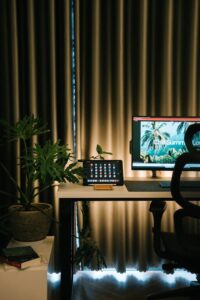

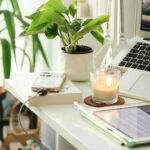

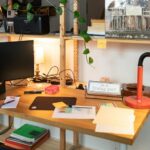




Creating a home office that is both cozy and functional can greatly enhance your productivity and overall work experience. Whether you’re working remotely full-time or setting up a dedicated space for occasional tasks, designing a workspace that feels comfortable yet efficient is key. In this post, we’ll explore practical tips to help you create a home office that suits your needs and style while promoting focus and well-being.
Why a Cozy and Functional Home Office Matters
Working from home offers flexibility, but it can also bring distractions. A well-designed home office helps you establish clear boundaries between work and personal time. It also boosts motivation by providing an inviting atmosphere where you want to spend time. Balancing comfort with functionality makes your workspace more enjoyable and productive.
Choosing the Right Location
Consider Natural Light
Select a spot in your home that receives plenty of natural light. Natural light can improve mood and energy, reducing eye strain. Position your desk near a window if possible, but avoid glare on your computer screen.
Account for Noise Levels
Choose a quiet corner or room away from busy areas. If background noise is a concern, consider noise-cancelling headphones or a white noise machine to maintain focus.
Space and Privacy
Make sure there’s enough room to accommodate your desk, chair, and storage solutions without feeling cramped. Having a door or divider can help create privacy, signaling when you’re working.
Selecting Comfortable and Practical Furniture
Ergonomic Desk and Chair
Comfort is essential for long hours of work. Invest in an ergonomic chair that supports good posture and a desk at the right height to reduce strain on your neck and wrists.
Functional Desk Features
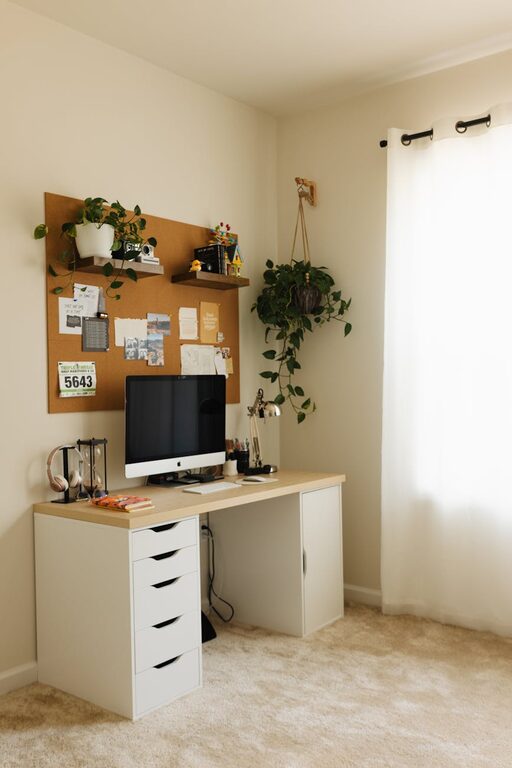
Look for desks with built-in storage or cable management to keep your workspace tidy. Adjustable desks that can switch between sitting and standing can also promote movement and reduce fatigue.
Storage Solutions
Declutter your workspace with shelves, filing cabinets, or organizers. Having everything within reach but neatly arranged helps maintain focus and efficiency.
Designing with Cozy Elements
Warm Colors and Textures
Incorporate warm, soothing colors like soft blues, greens, or neutrals to create a relaxing atmosphere. Adding textures such as a cozy rug, cushions, or curtains can soften the room.
Personal Touches
Include elements that inspire and motivate you, such as artwork, plants, or photos. Plants not only add beauty but also improve air quality and reduce stress.
Lighting Options
In addition to natural light, use layered lighting. A combination of overhead lights, desk lamps, and ambient lighting allows you to adjust brightness according to your needs and time of day.
Organizing for Efficiency
Clear Desk Policy
Keep your desk surface free of unnecessary items to reduce distractions. Use trays or drawer organizers to sort stationery and supplies.
Cable Management
Use clips, sleeves, or boxes to contain cables and keep cords from tangling. A neat space looks more professional and allows you to focus better.
Schedule and Planner Space
Designate an area for calendars, planners, or whiteboards to keep track of appointments, deadlines, and to-do lists. Visualizing your schedule helps manage time effectively.
Incorporating Technology
Reliable Internet Connection
Ensure your workspace has strong Wi-Fi or a wired internet connection to avoid disruptions during video calls or online tasks.
Quality Equipment
Use a good quality microphone, webcam, and headphones to improve communication during virtual meetings. Ergonomic keyboards and mice also contribute to comfort.
Backup and Charging Stations
Set up a charging station for devices and consider a backup power supply to prevent work interruptions.
Keeping Your Home Office Motivating
Regular Updates and Refreshes
Change your décor or rearrange furniture periodically to keep the space feeling fresh and engaging.
Break Area
If space allows, create a small nook nearby where you can take short breaks, stretch, or enjoy a cup of coffee without distractions.
Final Thoughts
Designing a cozy and functional home office is about creating a space that supports your workflow while also making you feel comfortable and inspired. With thoughtful choices in location, furniture, lighting, and organization, your home office can become a place where productivity and relaxation coexist. Start with a plan, keep your needs in mind, and enjoy the process of crafting a personalized work environment that works for you.